Dark Spots vs Melasma: The Difference
They can look almost alike, but they form for very different reasons — and treating one like the other will usually make it worse.
.svg)

.svg)
They can look almost alike, but they form for very different reasons — and treating one like the other will usually make it worse.
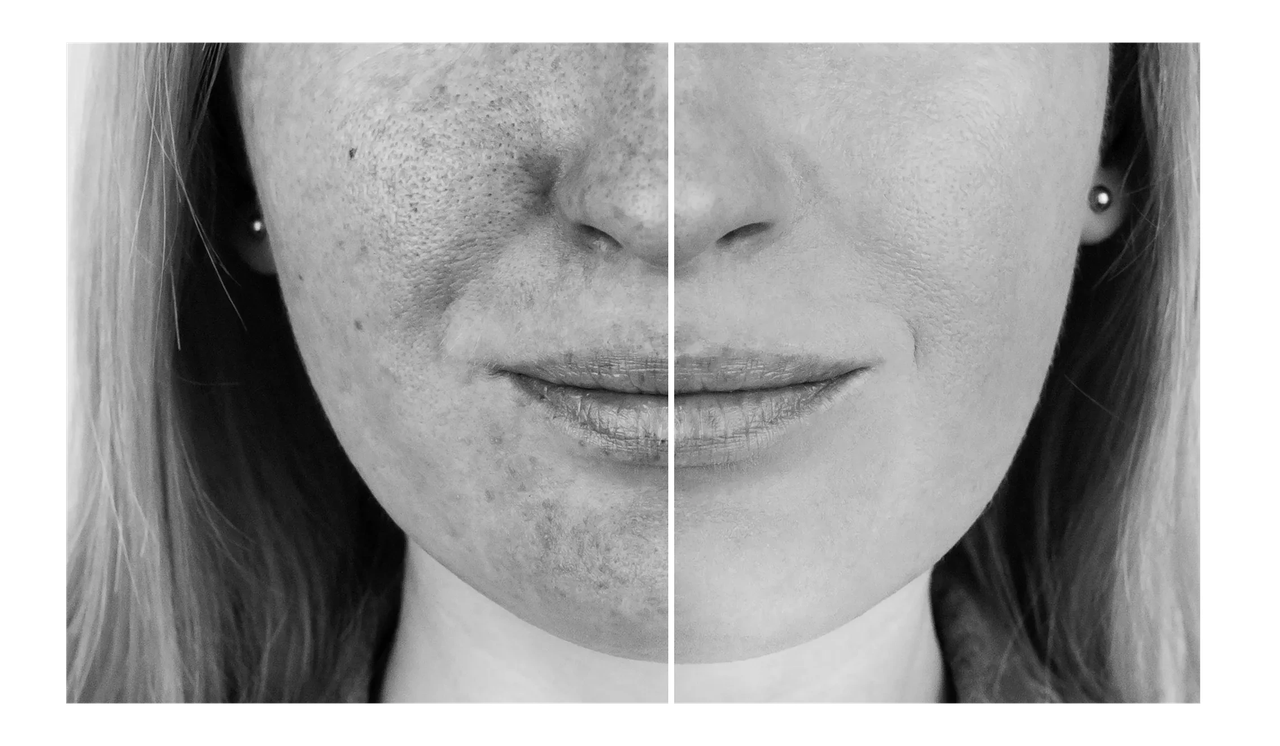
Sun exposure, hormones, and inflammation can all alter skin tone. Two of the most common concerns we see at VIV Wellness are dark spots and melasma. They may look similar at first glance, but they form for different reasons and respond better to specific treatments. Understanding the difference helps you choose the right care plan and avoid worsening the condition.
Your Fitzpatrick type tells us how your skin reacts to the sun, but it does not protect anyone from sun damage. All skin can be harmed by UV exposure, regardless of skin tone. Darker skin has more natural pigment, which may lower the risk of burning, but it does not block UV exposure or prevent long-term damage.
What this means in real life
UV rays penetrate the skin even on cloudy days, even when no burn occurs. This is why daily SPF is important for everyone, regardless of Fitzpatrick type or skin tone. If you have concerns about pigment or uneven tone, sun care is the first step in both treatment and prevention.
Dark spots, also known as hyperpigmentation, are small patches of skin where pigment has increased. They are usually caused by sun damage, acne scars, previous inflammation, or past skin injuries.
Key Facts About Dark Spots
How We Treat Dark Spots at VIV Wellness
These spots typically respond well to corrective treatments, including:
Melasma is a pigment condition driven mainly by hormones and sun exposure. It appears in large patches rather than small spots and often looks symmetrical on the cheeks, forehead, or upper lip.
Key Facts About Melasma
What Melasma Looks Like
What Triggers Melasma
How We Treat Melasma at VIV Wellness
Melasma requires a gentle, layered plan focusing on steady improvement and long-term control. Common options:
We avoid pigment-aggressive lasers since they can worsen melasma by creating heat in the skin.
Here is a simple way to recognize each:
Dark spots often lighten quickly with targeted treatments. Melasma requires a slow, steady, and gentle approach. Using the wrong treatment can deepen melasma.
At VIV Wellness, we assess your pigment pattern under professional lighting and create a plan that fits your skin type, history, and goals.
If you have uneven tone, stubborn pigment, or recurring patches, a consultation can help you determine whether you are dealing with dark spots, melasma, or both. Our team guides you toward safe, effective skin correction with long-term results in mind.

Why VIV stands apart in a crowded market: physician-owned, operated and supervised, with aesthetics and wellness under one roof.
Read More
VIV Wellness and Dr. Heather Gano named Best Longevity & Wellness Destination in Modern Luxury Dallas's annual Best of the City guide.
Read More
Male skin is roughly 25% thicker and ages on a different curve — why protocols built for female tissue miss, and what we do instead.
Read More